
524 hours on Zwift. Since March 2020.
That number embarrasses and impresses me in equal measure. I started indoor training thinking it was for fairweather cyclists who couldn’t face the cold. Two years later, it is the foundation of my fitness. Structured, time-efficient, brutal when you want it to be.
If you are new to the turbo, here is what those 524 hours have taught me.
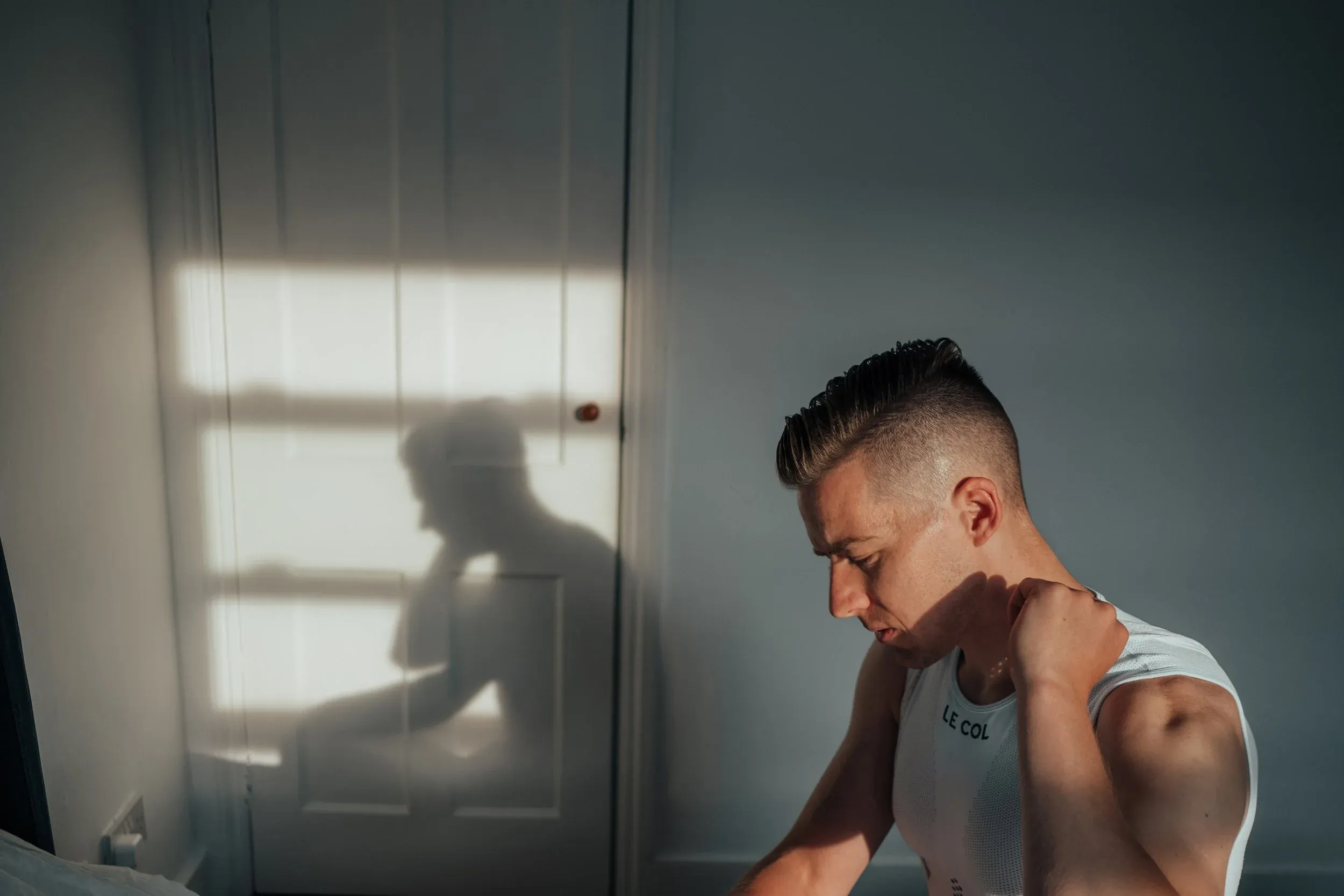
1. Come Prepared
No plan is a plan to quit.
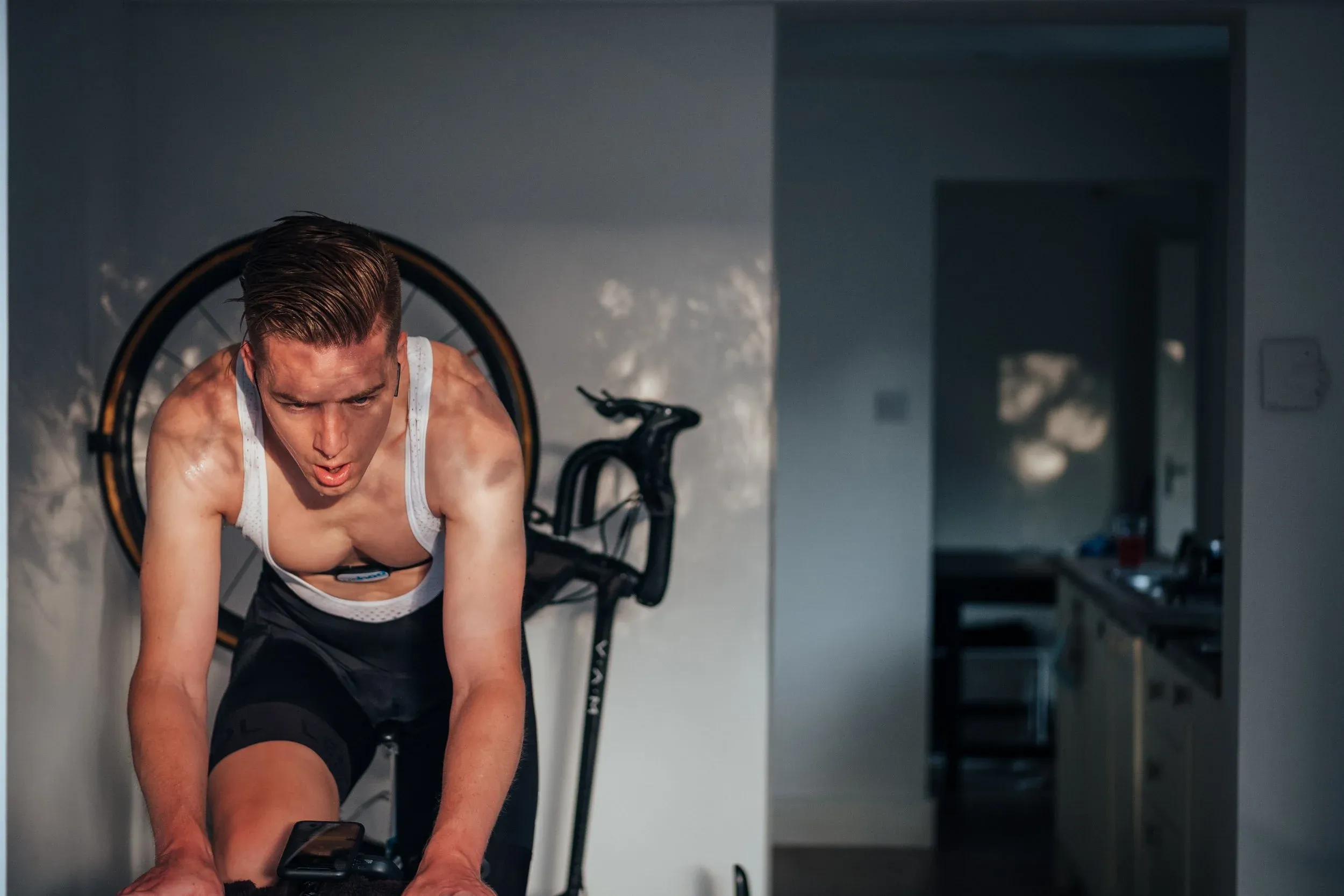
Before you clip in: fill your bottles, calibrate your power device, lay out a fresh towel, position your fan, put on your headphones. Set up your pain cave so that when your legs start burning, your environment is not the reason you stop.
Use Zwift’s structured training programmes instead of free riding. The session does the planning for you. Your job is to execute it.
Failing that: pick a target. One number on the screen you are not allowed to drop below. Then hold it. Yesterday informs today. Today informs tomorrow. Prioritise sleep, plan your week, and protect your training time like the appointment it is.
“Don’t stop when you’re tired. Stop when you’re done.”
2. Nutrition
You cannot out-suffer under-fuelling.
For a high-intensity session, you need at least 40g of carbohydrates per hour before the effort begins. Do not skip this.
Pre-session
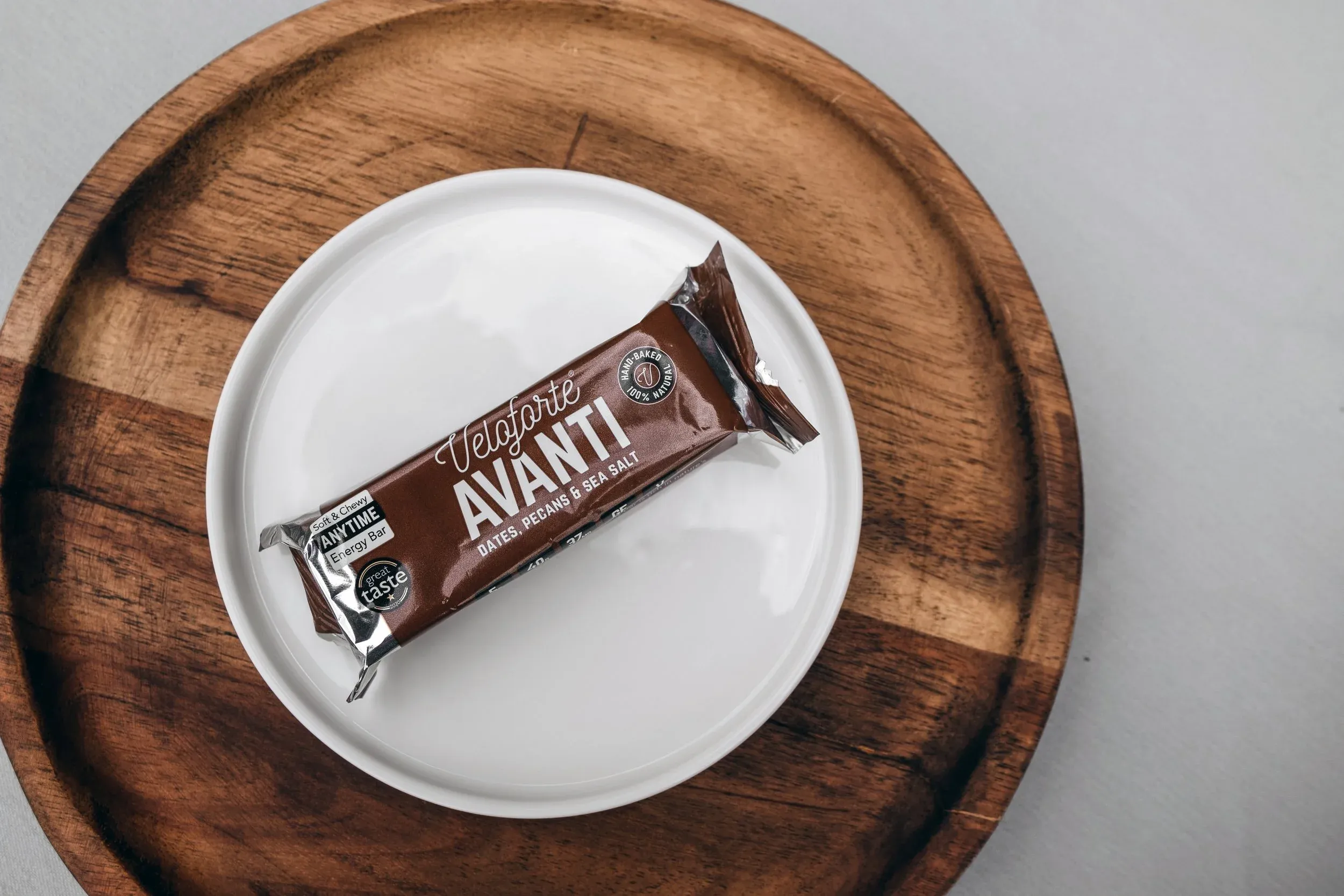
Before a hard session, I reach for a Veloforte Avanti bar: 40g of carbs, 5g protein, 8g fat, 252 calories. Made from real ingredients, easy to digest, no synthetic additives. If I want something savory: sourdough toast with nut butter and sliced banana. Either way, I eat real food rather than laboratory packaging with a long list of initials where ingredients should be.
Post-session
Prepare your post-ride meal before you clip in.
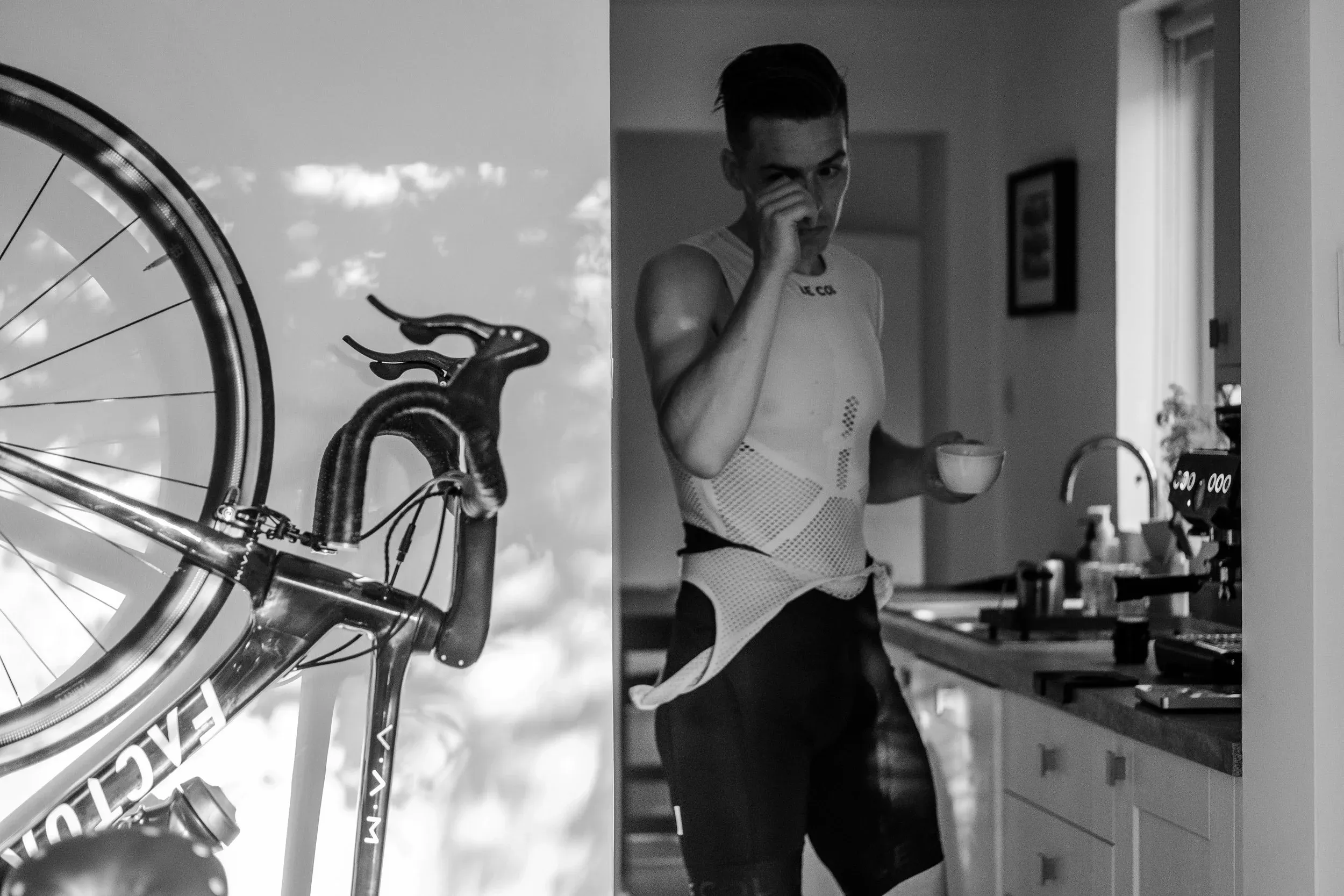
I wake up, make coffee, eat my pre-ride snack, then prepare breakfast. By the time I am off the bike and in the shower, the meal is ready. Glycogen-starved muscles need nutrients within 30 minutes. Do not eat an hour later while scrolling your phone.
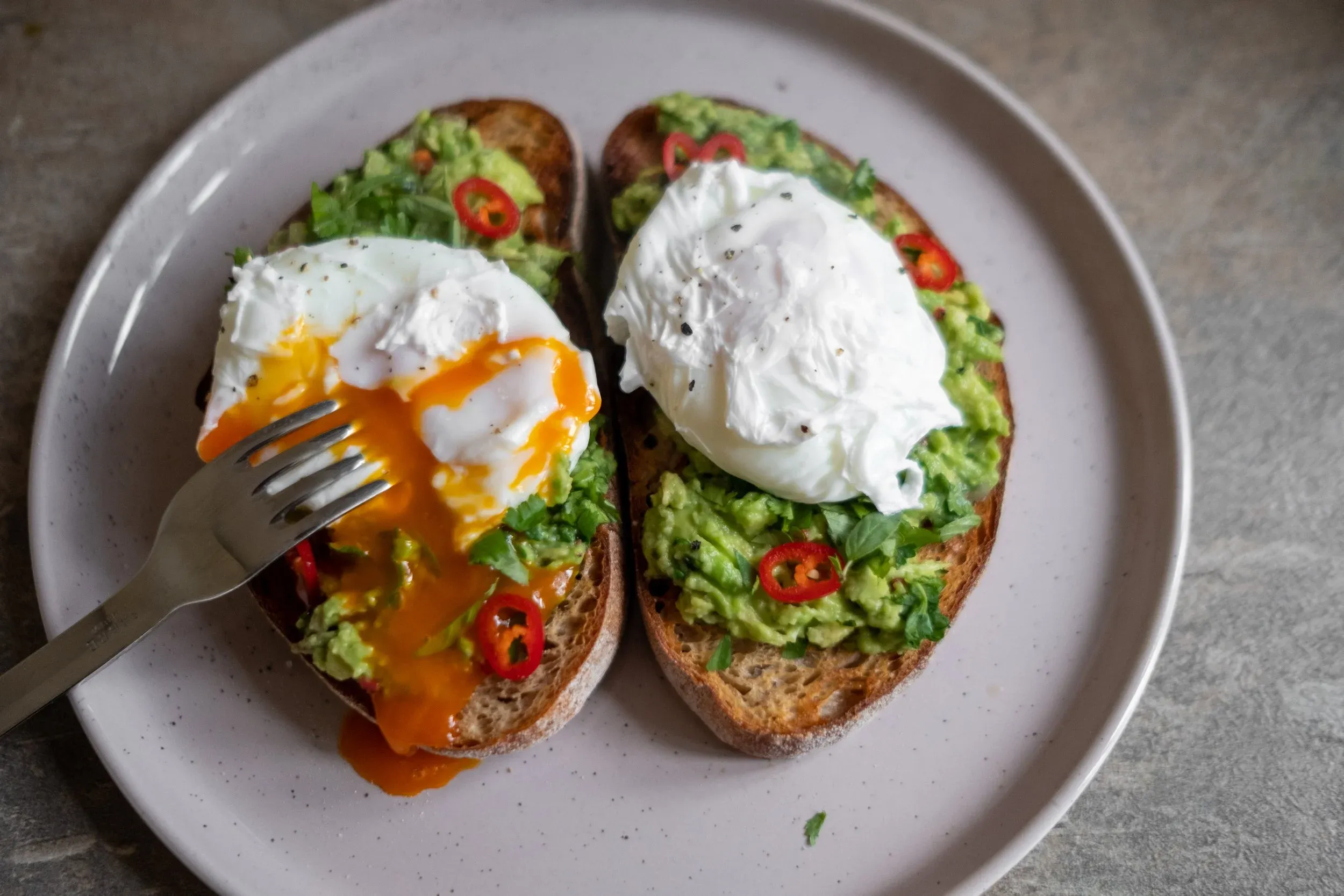
My post-ride: poached eggs and avocado on sourdough. 28g protein, 69g carbs, 30g fat, 648 calories.
Ingredients
- Sourdough bread
- Medium ripe avocado
- 2 large eggs
- Fresh coriander
- Thai basil
- Red chilli
- Lemon juice
- Shallot
- Ground coriander seeds
- Salt and pepper
Method
Before the session: mash the avocado with salt, pepper and ground coriander seeds. Dice the shallot and red chilli, fold them in, squeeze over lemon juice, add chopped coriander and Thai basil. Store in an airtight container.
After the session: shower, get dressed, plate up. Cook eggs however you like them. Spread the avocado mix over toast. Eat immediately.
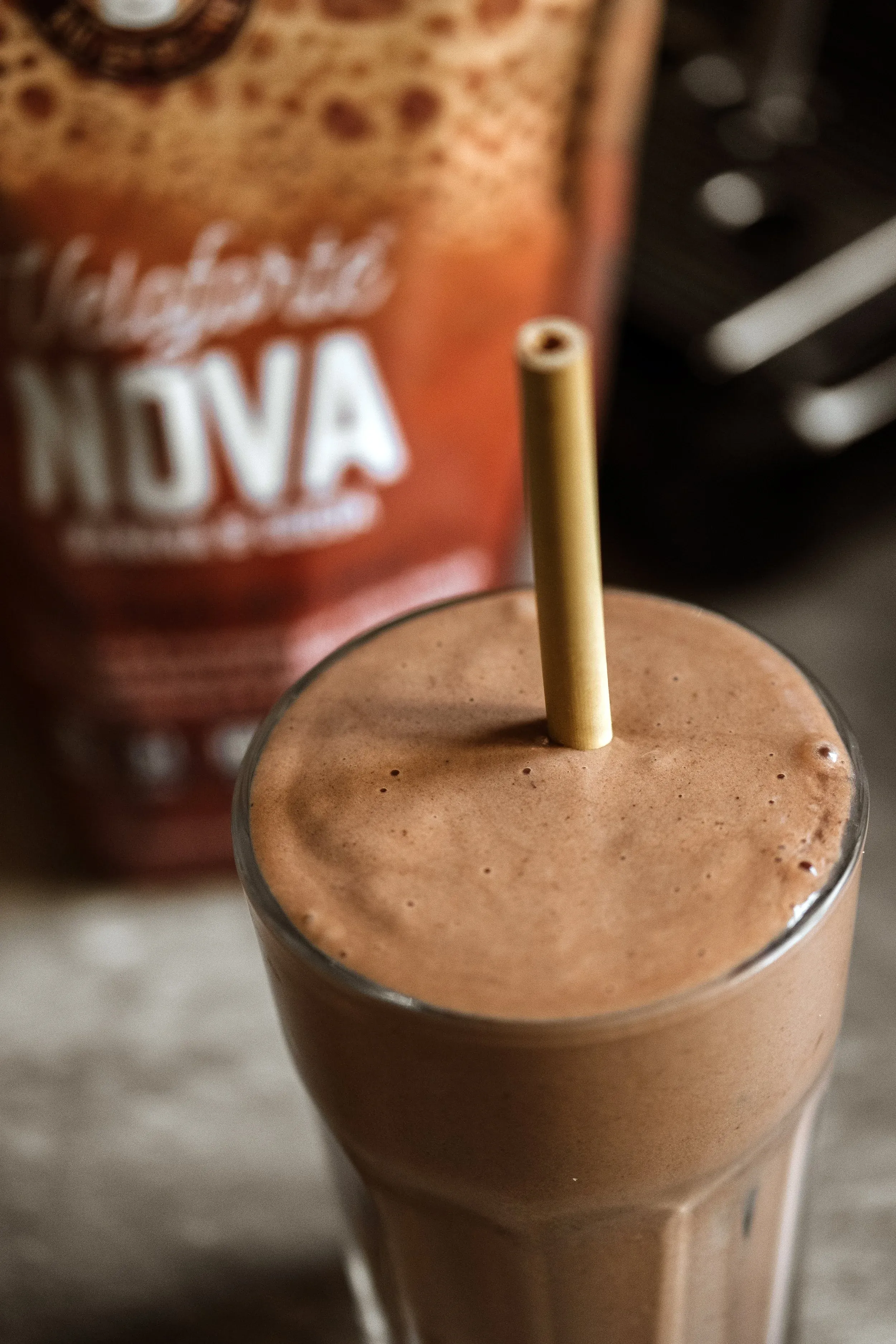
If time is short, a Veloforte recovery shake does the job: 3:1 carbohydrate to protein ratio, exactly when you need it. The point is the same: refuel, and refuel fast.
3. Bib Shorts
Your best bib shorts. Not your old ones.
I know indoor sessions do not require looking the part. This is not about aesthetics. Sustained power output in a fixed position is harder on your saddle contact than any road ride. The chamois pad takes a beating. A worn-out chamois will introduce variables your mind should not be dealing with when you are deep in a four-minute VO2 MAX effort.
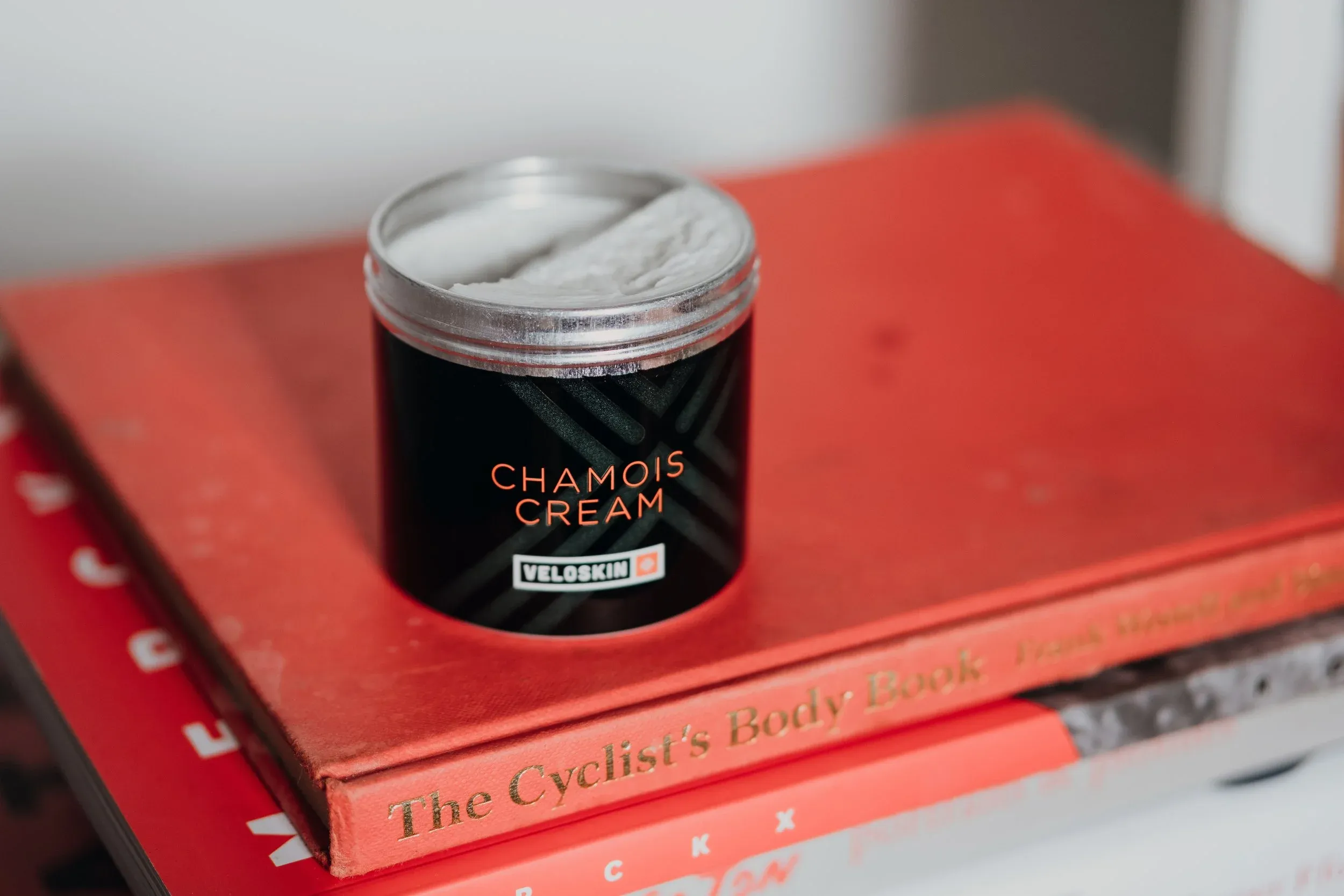
For sessions over two hours, consider a halftime chamois change. I regularly do three-hour sessions. Damp bibs compound friction as time passes. A fresh pair halfway through is a modest sacrifice for a significant comfort gain. It doubles as a mental reset.
Wear lightweight summer bibs with good moisture-wicking. The heat buildup indoors is considerable, even with a fan. A pro-level chamois pad for extended seated efforts.
Bib shorts are personal. Shapes and preferences vary. Find what works for you and do not cheap out on the pair you use most.
4. Hygiene
Have you ever had a saddle sore so bad you considered buying medieval stocks from an unusual website, purely to stop yourself from being able to close your legs?
Me neither.
But close.
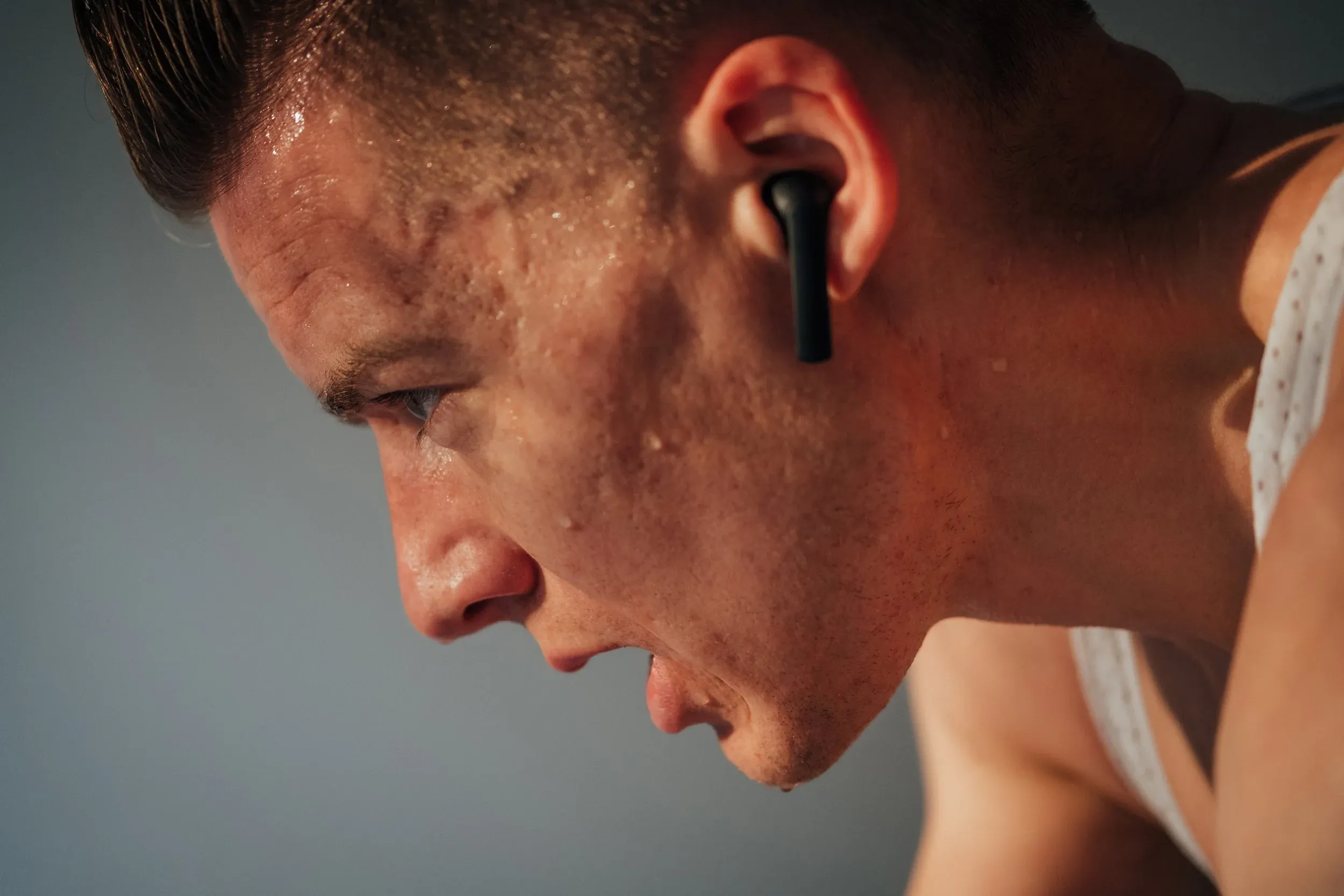
Salty sweat is a surprisingly effective cutting compound. It will break skin if you give it enough hours and the wrong conditions. Saddle sores end training blocks. Preventing them is not complicated, but it requires discipline.
Preventative measures:
- Wear quality bibs with a proper chamois
- Optimise your bike fit. Excessive saddle height and reach overload contact pressure
- Use chamois cream. It reduces friction and has anti-bacterial properties
- The moment you unclip, get the sweaty bibs off. Straight into the wash. Shower immediately. Do this before you eat or scroll your phone
5. Mindset
Failure is a training load indicator. If you are never failing a session, you are not pushing hard enough.
Quitting is different from failing. Quitting is a habit. The brain remembers. Give yourself permission to quit today, and it becomes slightly easier to quit tomorrow. The deficit accumulates silently.
Set a goal with a measurable outcome: increase FTP by 5%, complete your first 100km, hit a target wattage for a specific duration. Now you have a standard you are either meeting or not. That clarity removes the grey area where excuses live.
Did your boss schedule a 7am meeting? Ask them to move it. Not possible? Get up an hour earlier. Move the session to the evening. Every excuse has a solution. Finding the solution is part of the discipline.
David Goggins said: “It takes relentless self-discipline to schedule suffering into your day, every day. But if you do, you’ll find at the end of that suffering there is a whole other life just waiting for you.”
That lands differently after 524 hours.
The indoor trainer recreates something primal. The chase. Modern life has largely removed the experience of sustained physical pursuit. Zwift simulates it in the most inconvenient room in your house. But the neurochemical response is real.
Suffer indoors. Ride faster outdoors.
Gareth.
Send a comment
Got a question, correction, or thought? Send it here — it goes straight to my inbox.
No account required. (If you don’t hear back, check your spam folder for my reply.)