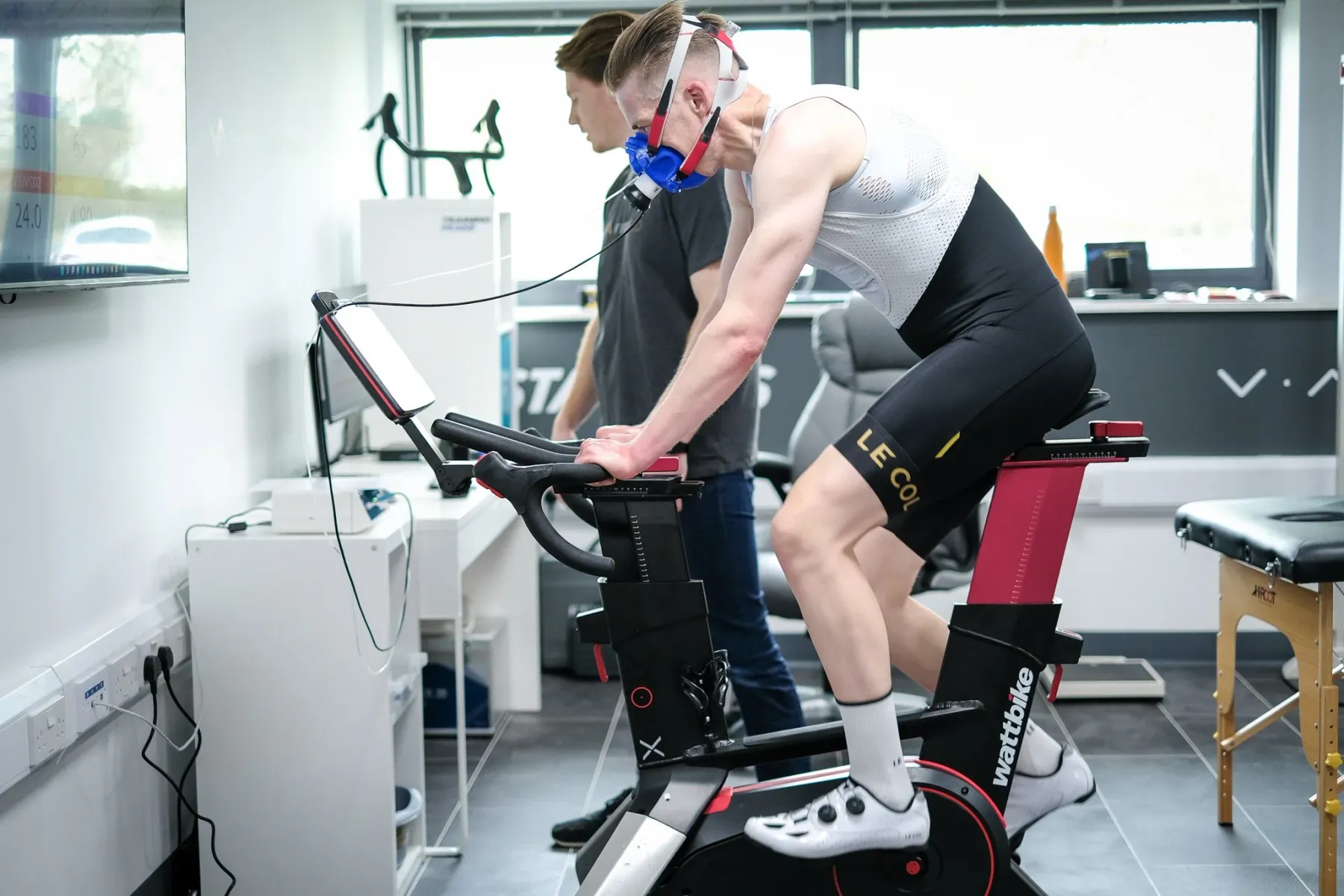
My right shoulder sits higher than my left. I ride crooked. Every ride, five minutes in, I have to consciously remind myself to straighten up.
Two years of turbo training and a desk job spent holding a stylus pen have rearranged my body. My back went from cooked spaghetti to dry. My position adapted upright. And somewhere along the way, my right shoulder started cheating upwards, dragging my whole posture with it.
I knew all this. What I needed was someone smart enough to tell me why, and precise enough to fix it.
The Bike Fit
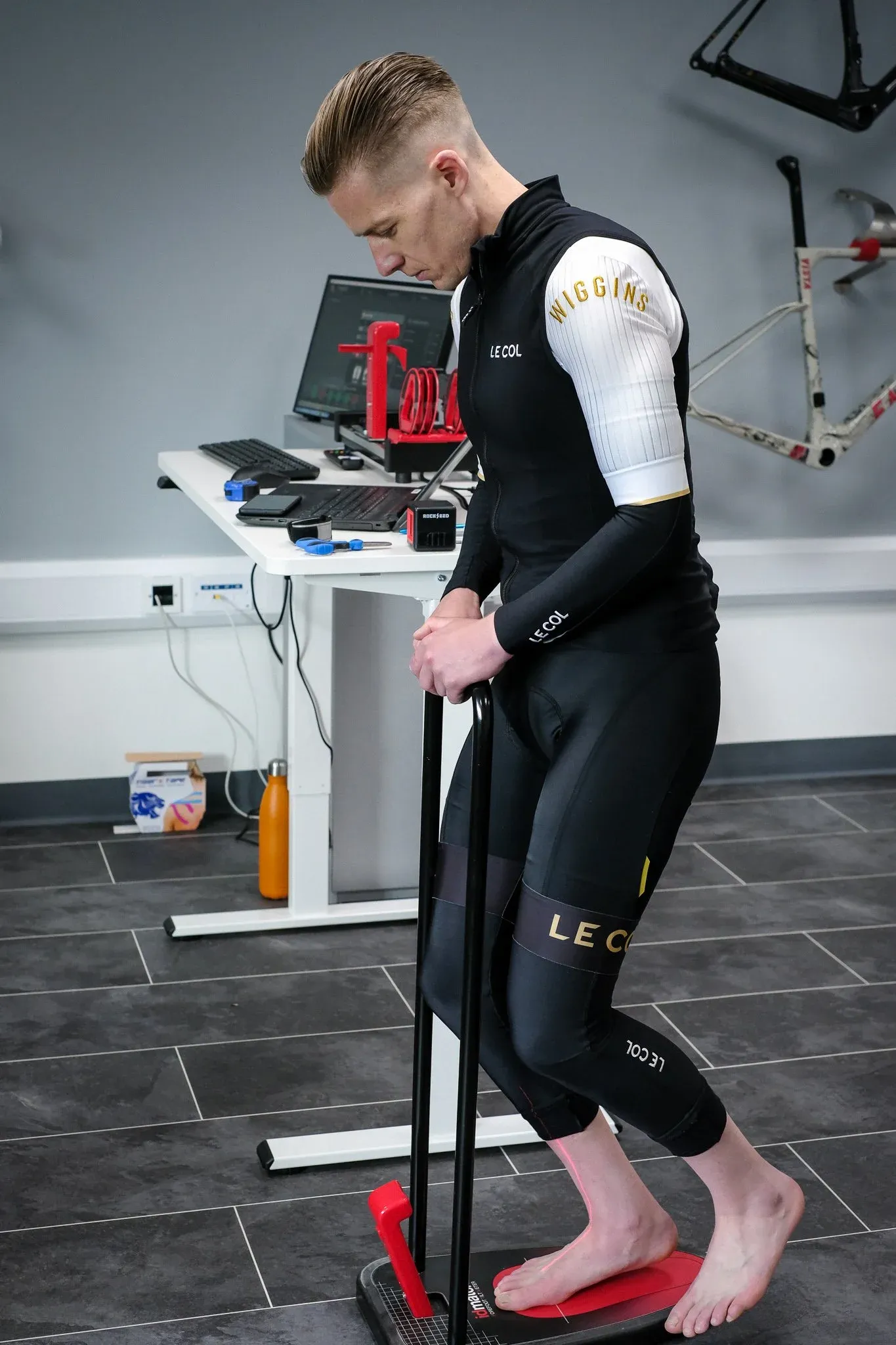
Hayden Daniells, Sports Scientist at Vires Velo Physiology Studio, asked all the right questions during our initial consultation. He had already spotted the crooked shoulder before I mentioned it. That is a good sign.
Vires Velo have invested in the idmatch system: a cutting-edge 3D body scanner that places markers across your body and runs algorithms to determine your optimal position based on your goals and riding style. Hayden set the idmatch smart bike to my existing fit and asked me to pedal while he watched.
“I constantly have to remind myself to drop my right shoulder blade. And my right knee tracks inwards.”
He had already seen it. Good.
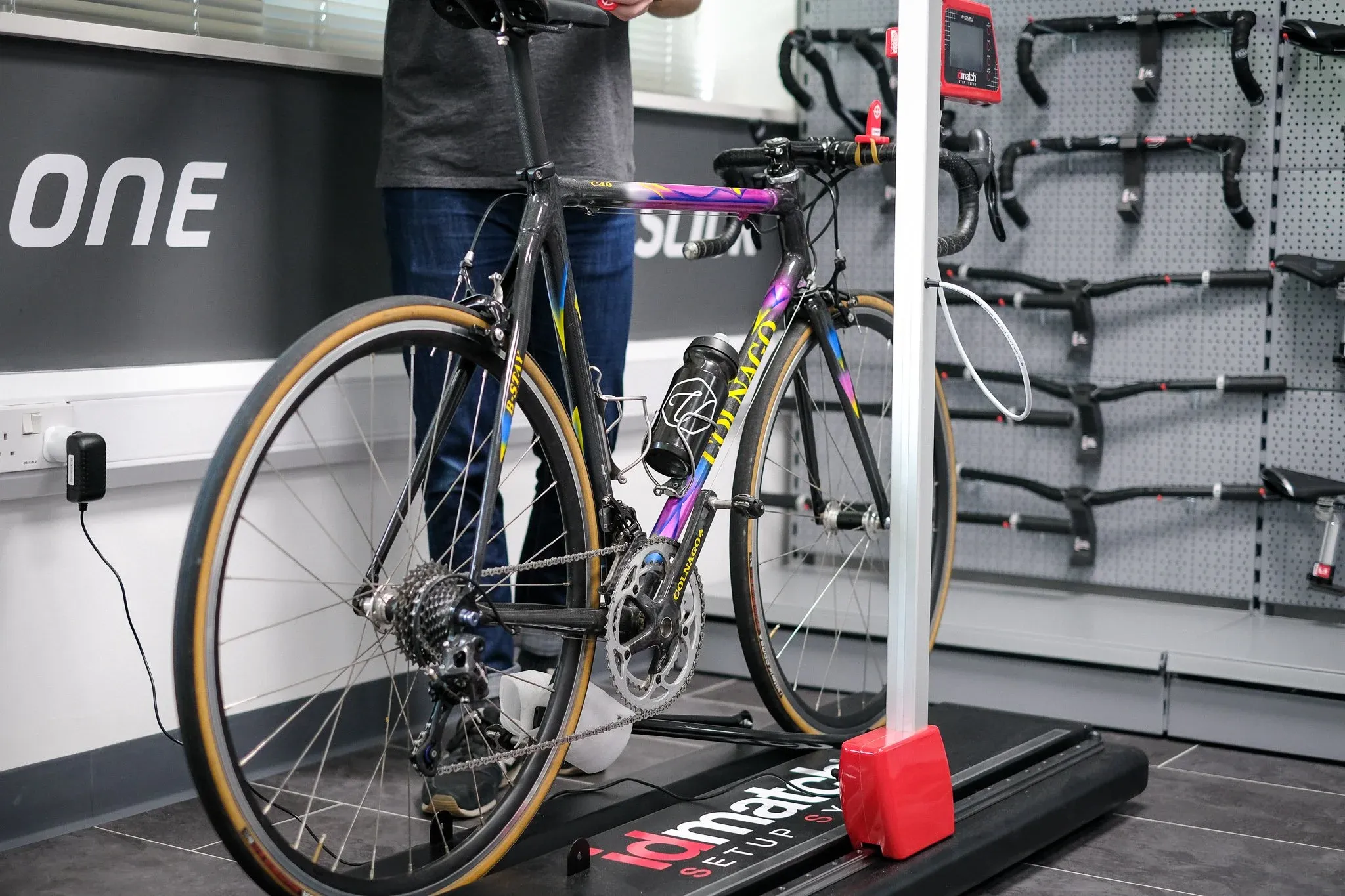
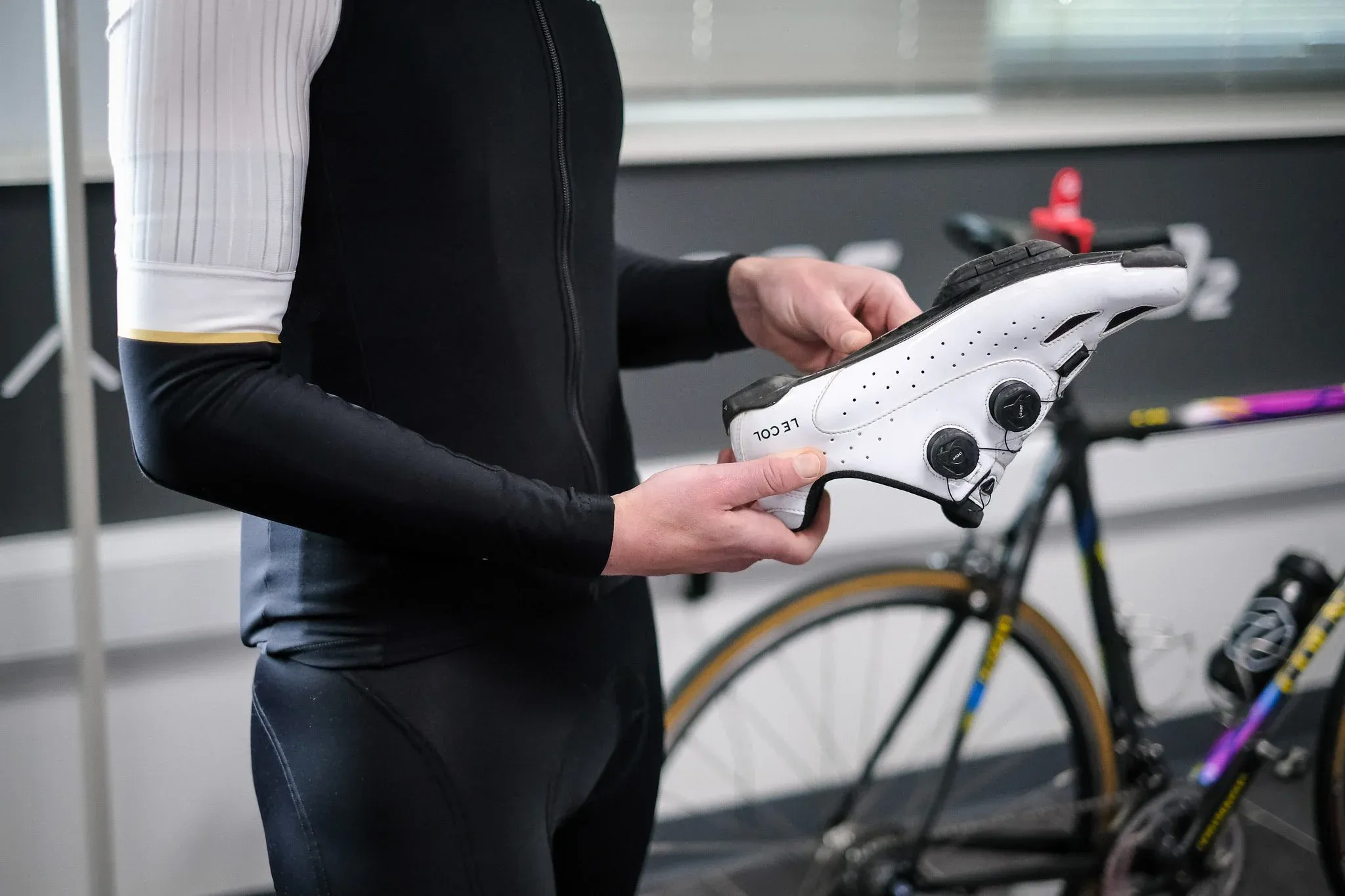
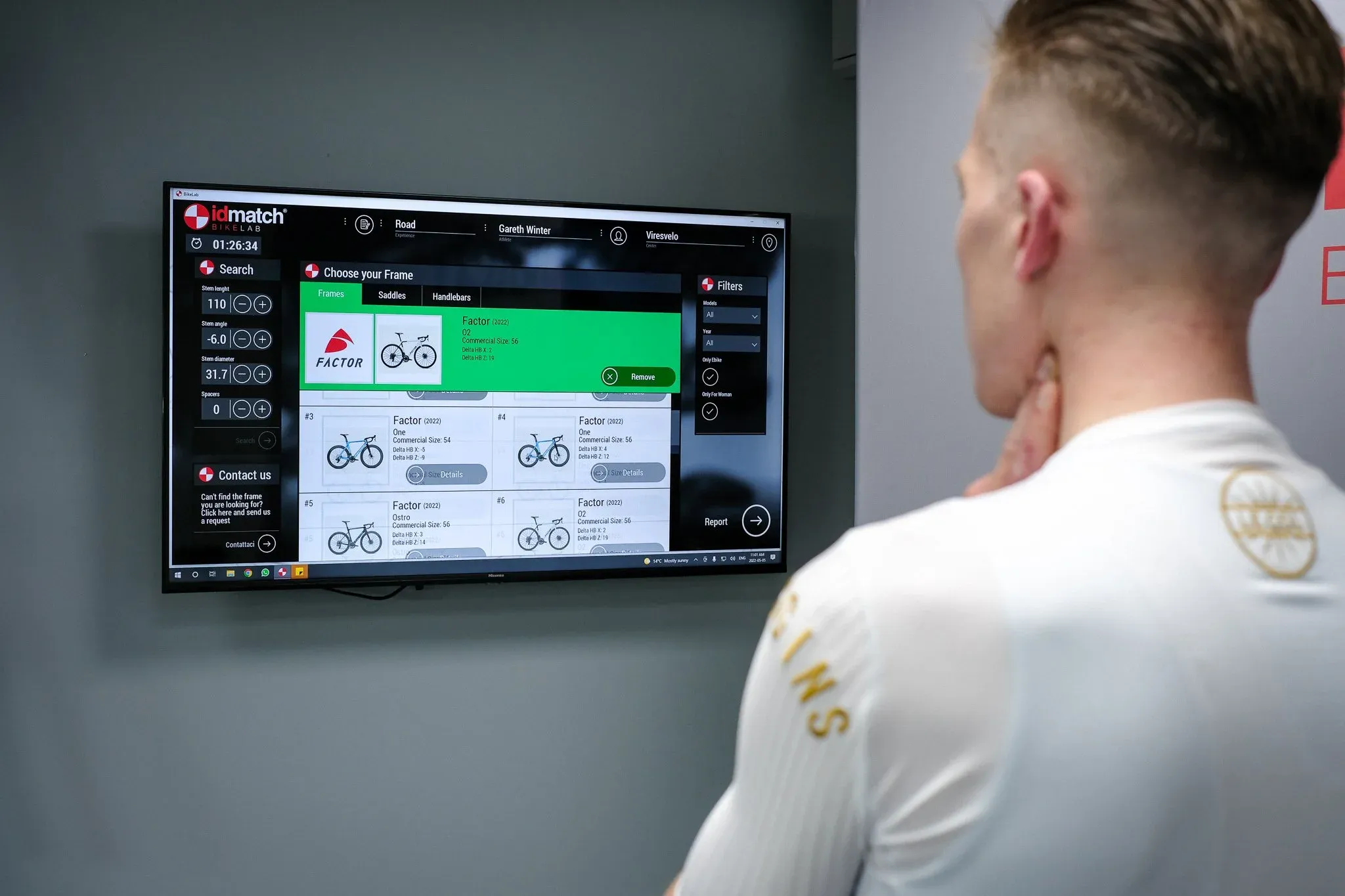
The knee issue had a simple explanation. Spindle length. I use Speedplay pedals. Standard spindles are too narrow for my anatomy, causing my knees to track inward and producing crank rub. On my Factor O2 VAM (now crashed, currently being replaced), I had fitted longer spindles. On my Colnago C40, which I have been riding all spring, I never bothered. I have been consciously twisting my foot outward to avoid the crank all season, compounding a problem I already knew about.
Classic case of doing what I say and not what I do.
Hayden also suggested medium arch insoles to match my foot profile. A sturdier platform to put the power through.
Then the idmatch found my optimal position automatically. It put me almost exactly where I was already. That is either a testament to the algorithms, or a testament to how many bike fits I have had over the years. Possibly both. Saddle dropped 1mm. Bars brought a few millimetres closer, accommodating for the upright posture I have built over two years on the turbo.
This is what a bike fit is for. Not to find the fastest position in isolation. To find the right position for the rider you are now, building toward the rider you want to be.
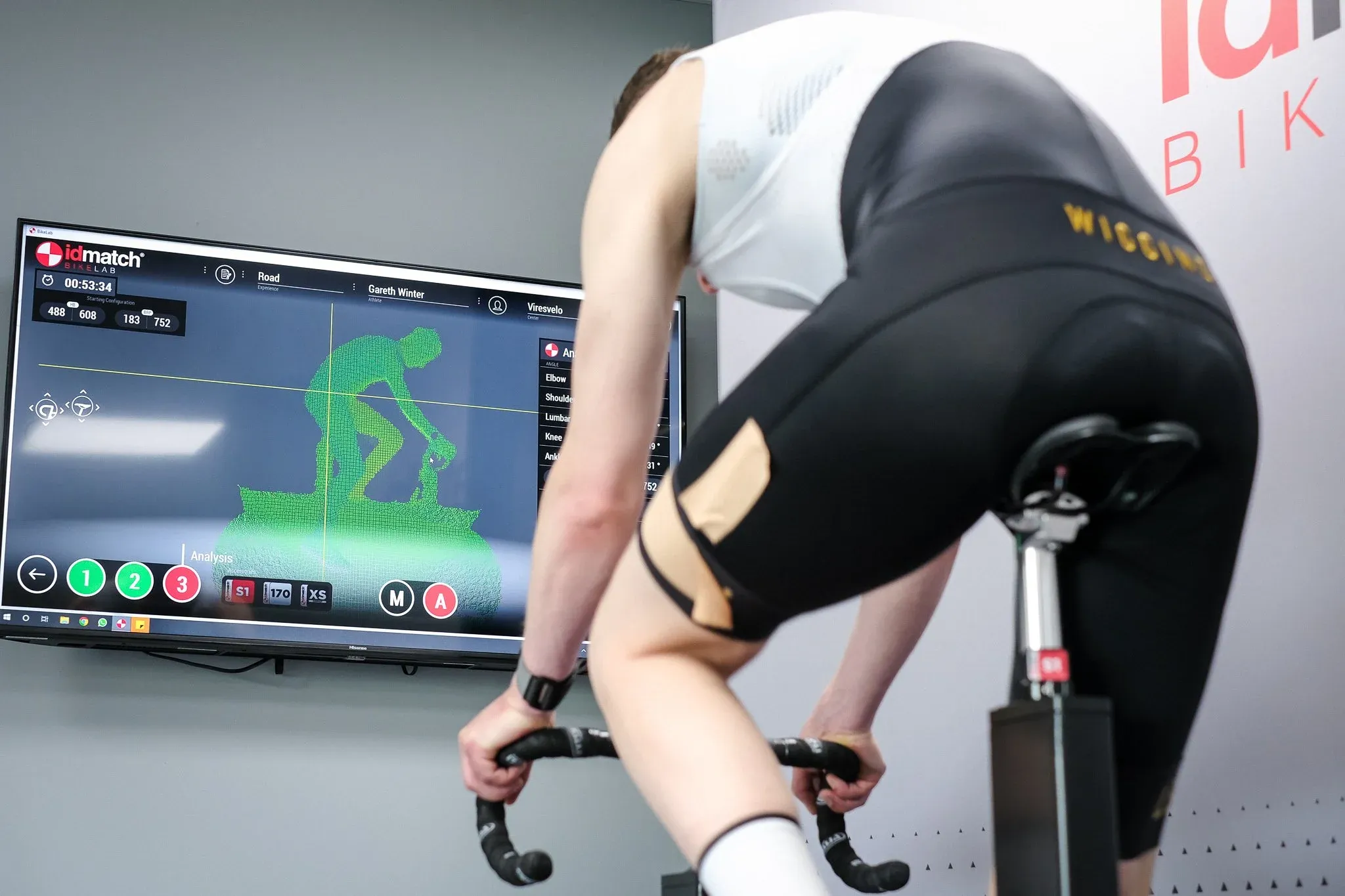
The idmatch smart bike adjusts as you ride, making changes on the fly and comparing positions in real time. Far more efficient than climbing on and off a road bike with an Allen key between every tweak. I have been fitted on a Retül and a Guru. Both excellent tools. The 3D body scanning is what sets idmatch apart.
Eddy Merckx once looked at my position while fettling with his own saddle and said: “Maybe you are a few millimetres too high.” The man has the eyes of an eagle. Even experienced riders benefit from an outside eye.
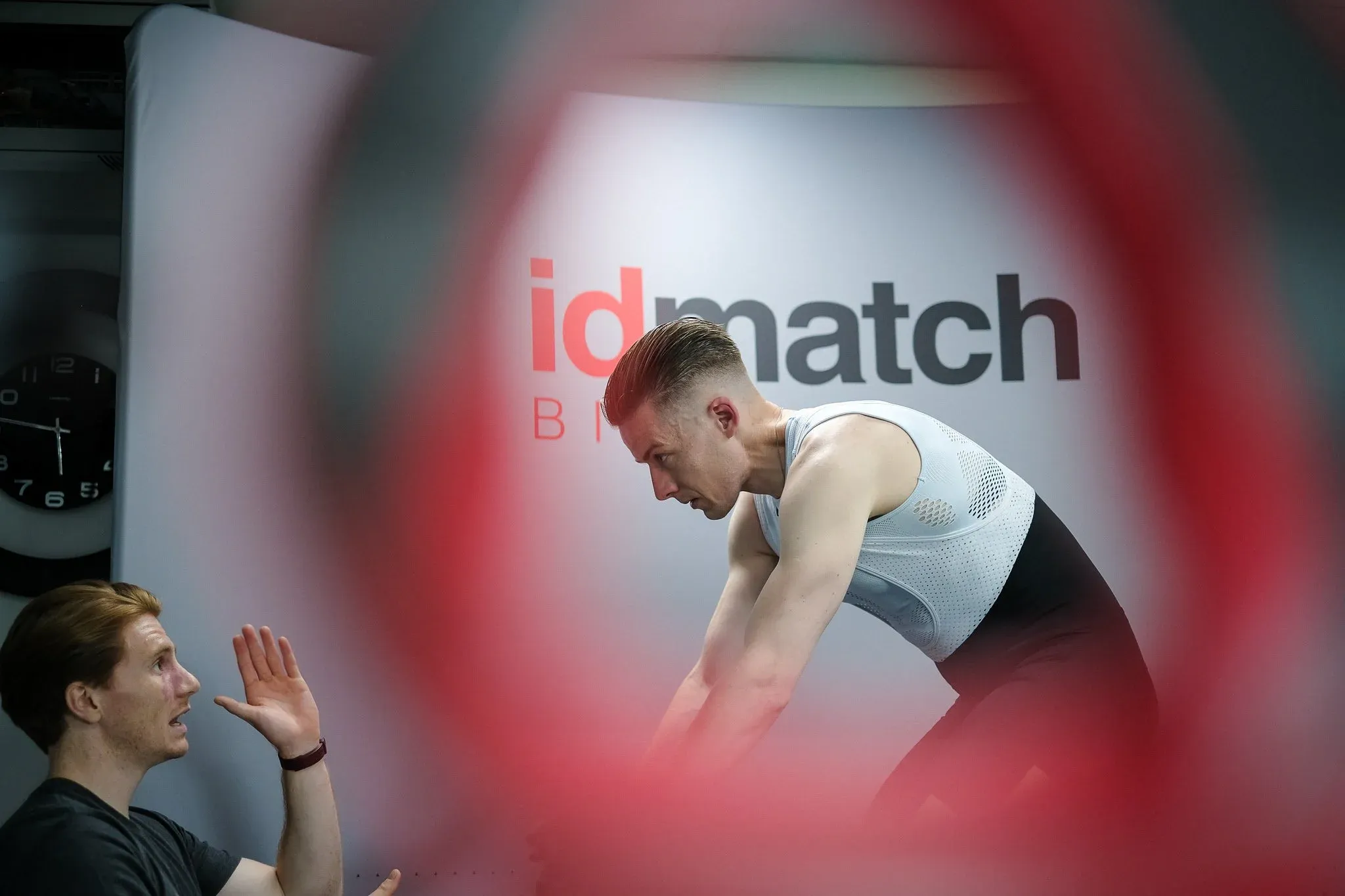
If you have never had a bike fit: go. Even if everything feels fine. Especially if everything feels fine. You cannot feel what you have adapted to. The purpose of this session was not to unlock more power or improve my aerodynamics. It was to straighten my right knee. If that problem had continued for another decade at 10-15 hours per week, the accumulated strain would have been significant. A bike fit is health insurance.
Thanks, Hayden.
Resting Measures
Next, Hayden ran a resting metabolic rate (RMR) test. The total number of calories my body requires to maintain a rested state, before accounting for training, commuting, or anything else that burns energy.
The standard calorie calculator online, using my age, gender, height and weight, told me I need 2,000 calories per day. The RMR test said 2,225.
That is not a small difference. And it explains a lot.
For years, I obsessed about power-to-weight ratio and drove my body weight down. I thought I was becoming faster. What I was actually doing was burning away the muscle I had spent decades building. I became lighter and powerless simultaneously.
The mindset shift that changed everything: I stopped “dieting and exercising” and started “fuelling and training.” Once I understood the distinction, I stopped treating nutrition as a penalty and started treating it as a tool.
The RMR test also splits your macro requirements: carbohydrates, protein and fat. Now, instead of guessing, I have an evidence-based target. The difference between an estimate and a measurement is not academic. It shows up in your training.
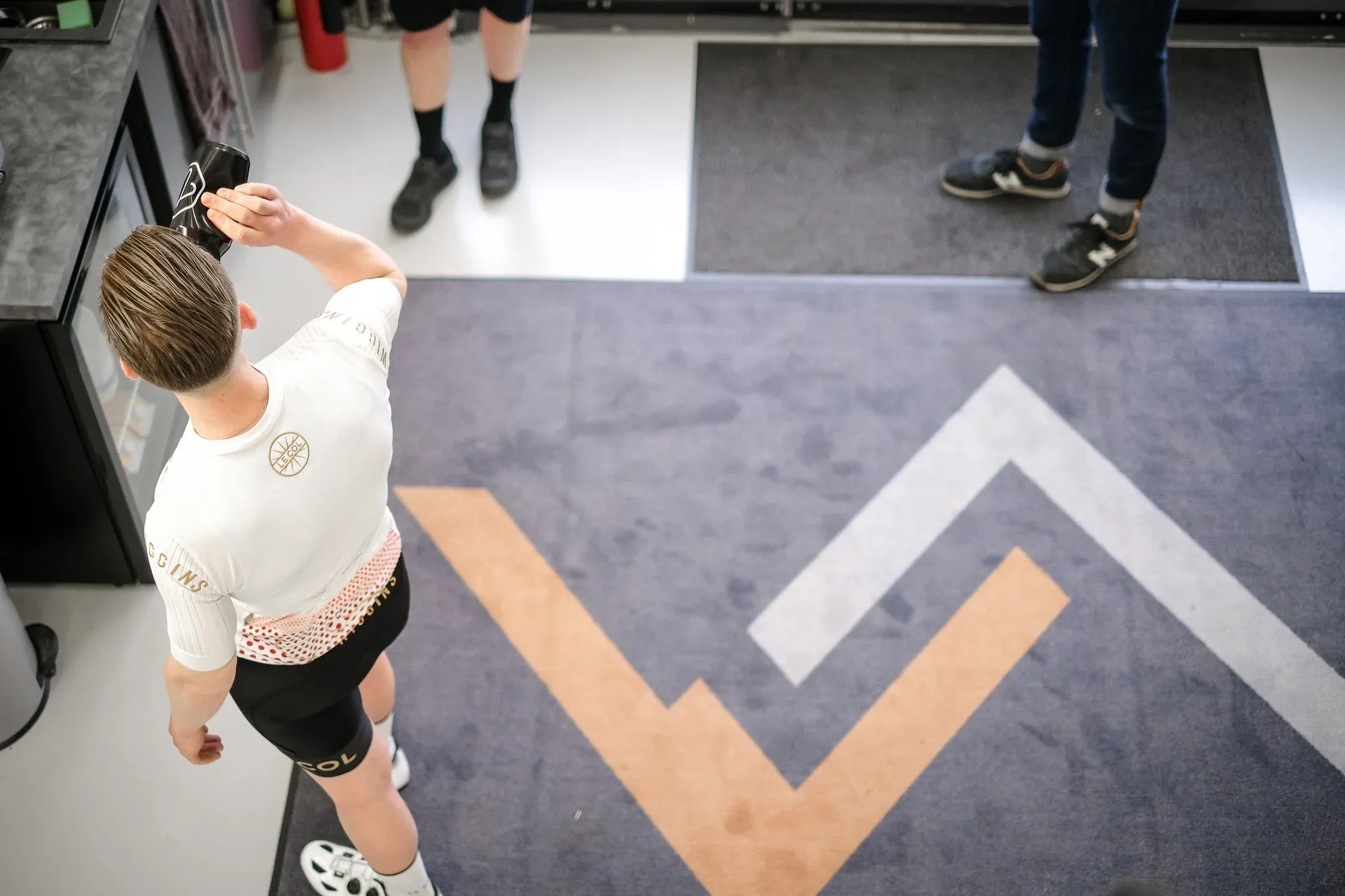
The Hard Part
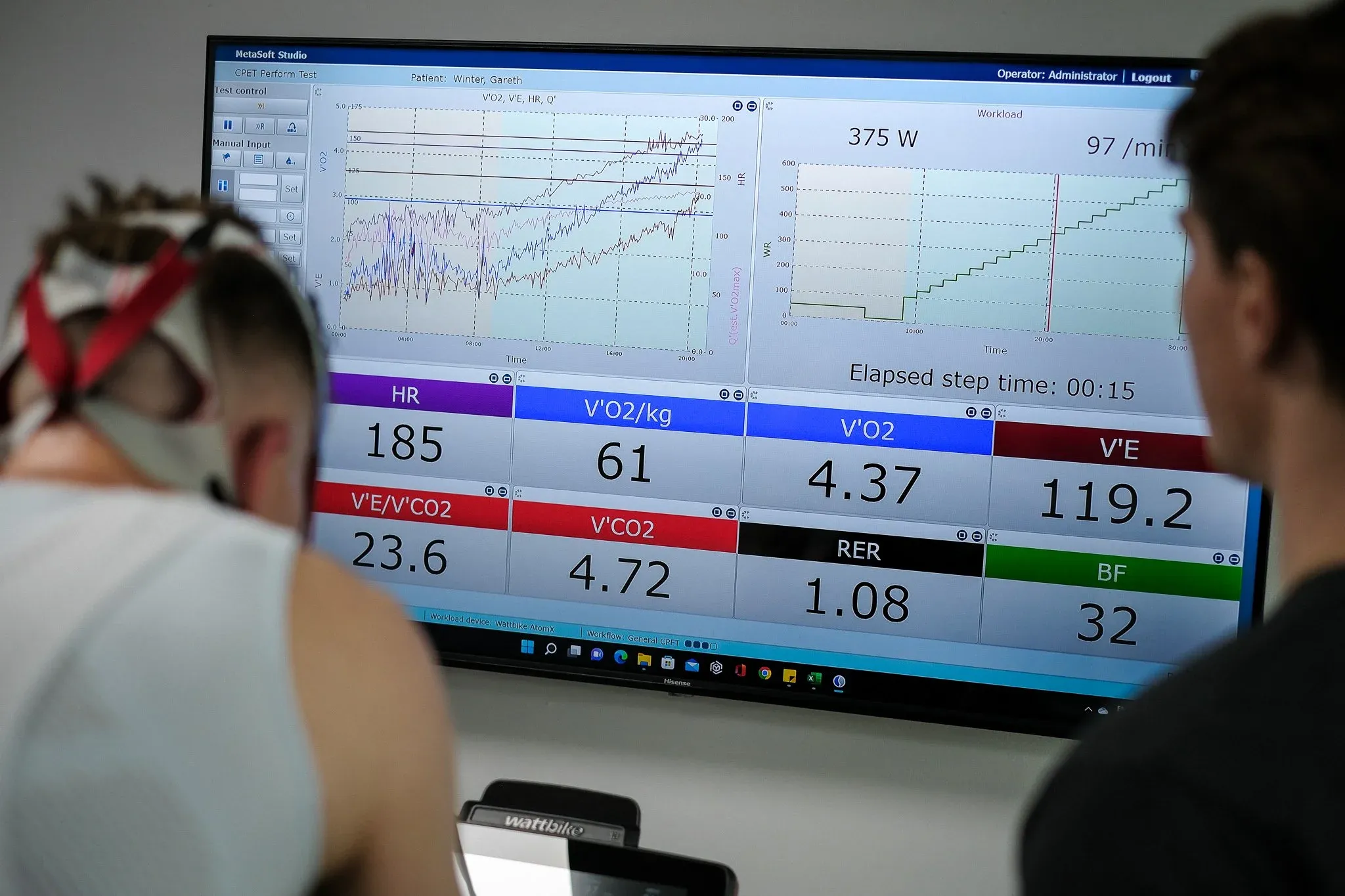
VO2 MAX test. The ramp protocol, where the power increases every minute until you cannot sustain it.
I build at least one VO2 MAX session into every training week. It is the best return on time invested for fitness gains, alongside decent base miles in zone 2 and some sweet spot work. However, I have been estimating my VO2 MAX from a 20-minute FTP test. Close, but not the full picture.
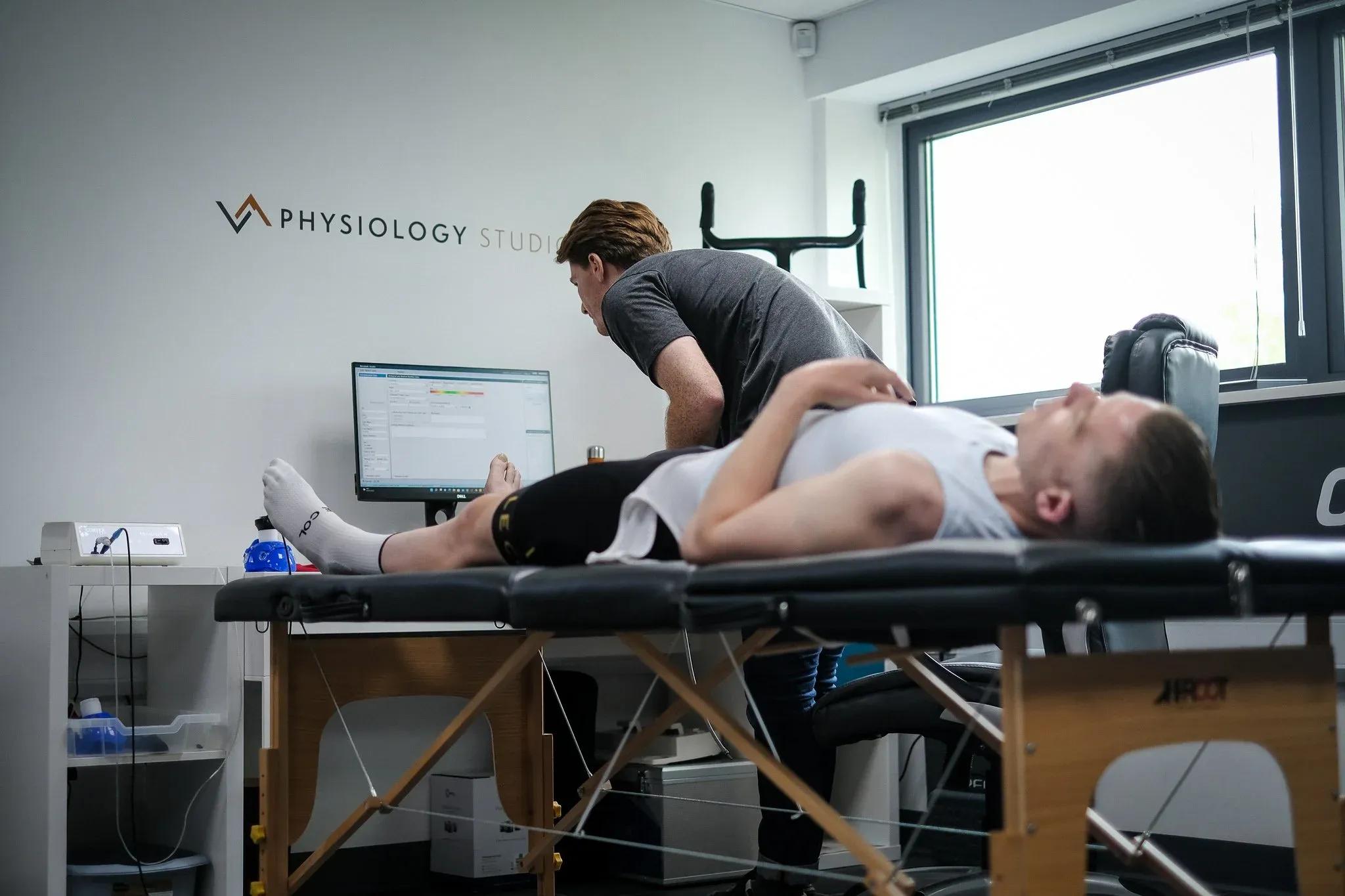
Having an accurate figure allows me to set proper training zones. The difference between approximate and precise is the difference between training in the right zone and training just outside it, session after session, compounding slightly wrong adaptations.
The ramp test itself: the mask restricts your breathing, the power climbs, your core temperature rises, and at some point you are simply gasping. Hayden talked me through each stage and made sure I got my best effort out.
I was happy with the results. More importantly, I now know exactly where the improvements are hiding.
Conclusion
I left Vires Velo with longer spindles fitted, adjusted macro targets, precise training zones and a 1mm saddle adjustment. None of it is dramatic. All of it matters.
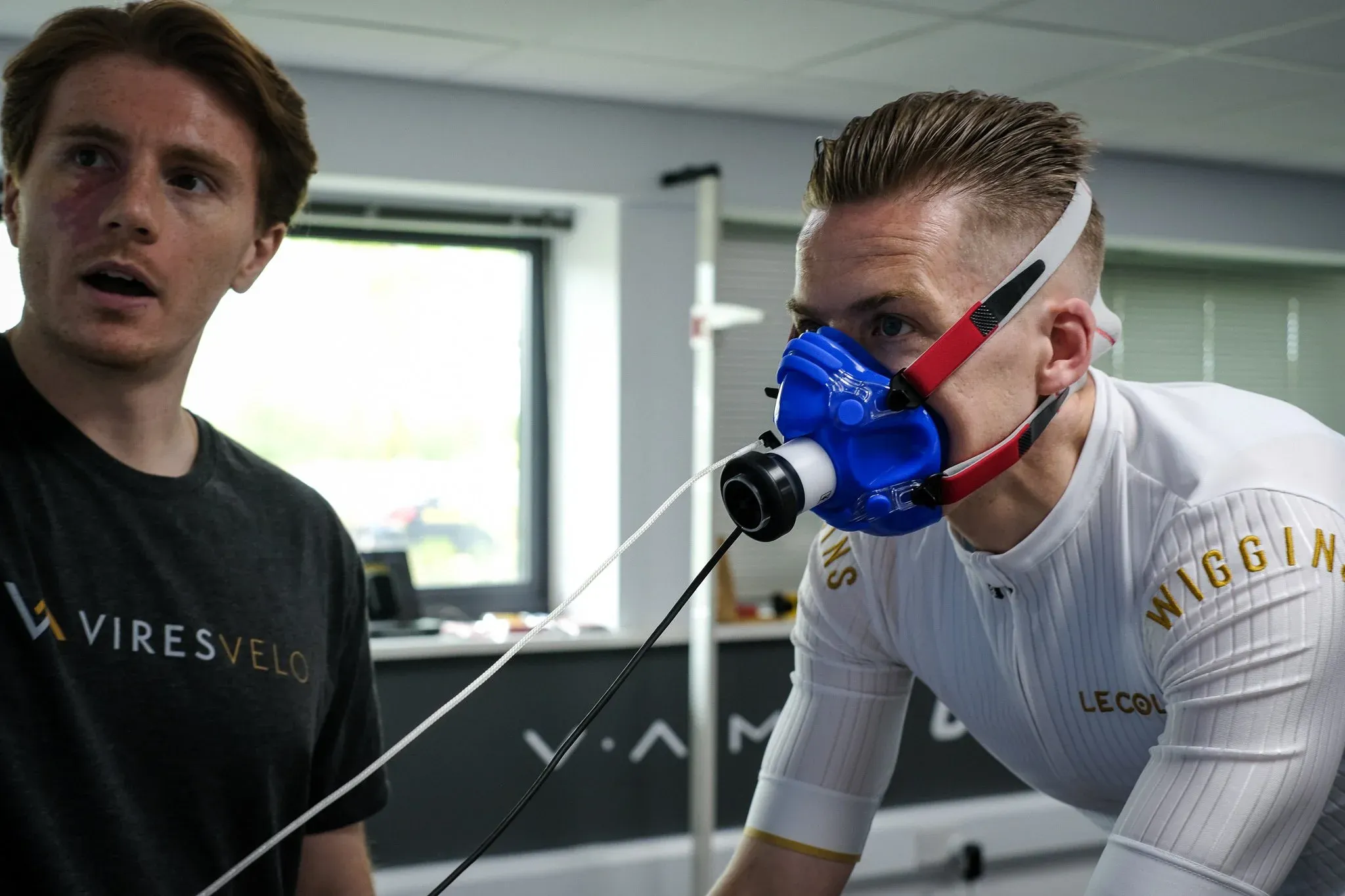
The spindles felt immediately better. It will take weeks to retrain muscle memory that has been compensating for the wrong position, but the foundation is correct now. The mid-arch insoles removed movement inside my shoes, giving me a more stable platform. The calorie adjustment means I am fuelling to training load rather than guessing.
Compound improvements. Invisible in isolation. Significant over time.
The best thing about Vires Velo is that everything lives under one roof. Previously: Putney for a fit, Central London for insoles, Wandsworth for a mechanic, Kingston for VO2 MAX testing. A whole day scattered across the city. Now it is one appointment, one studio, done to an exceptional standard.
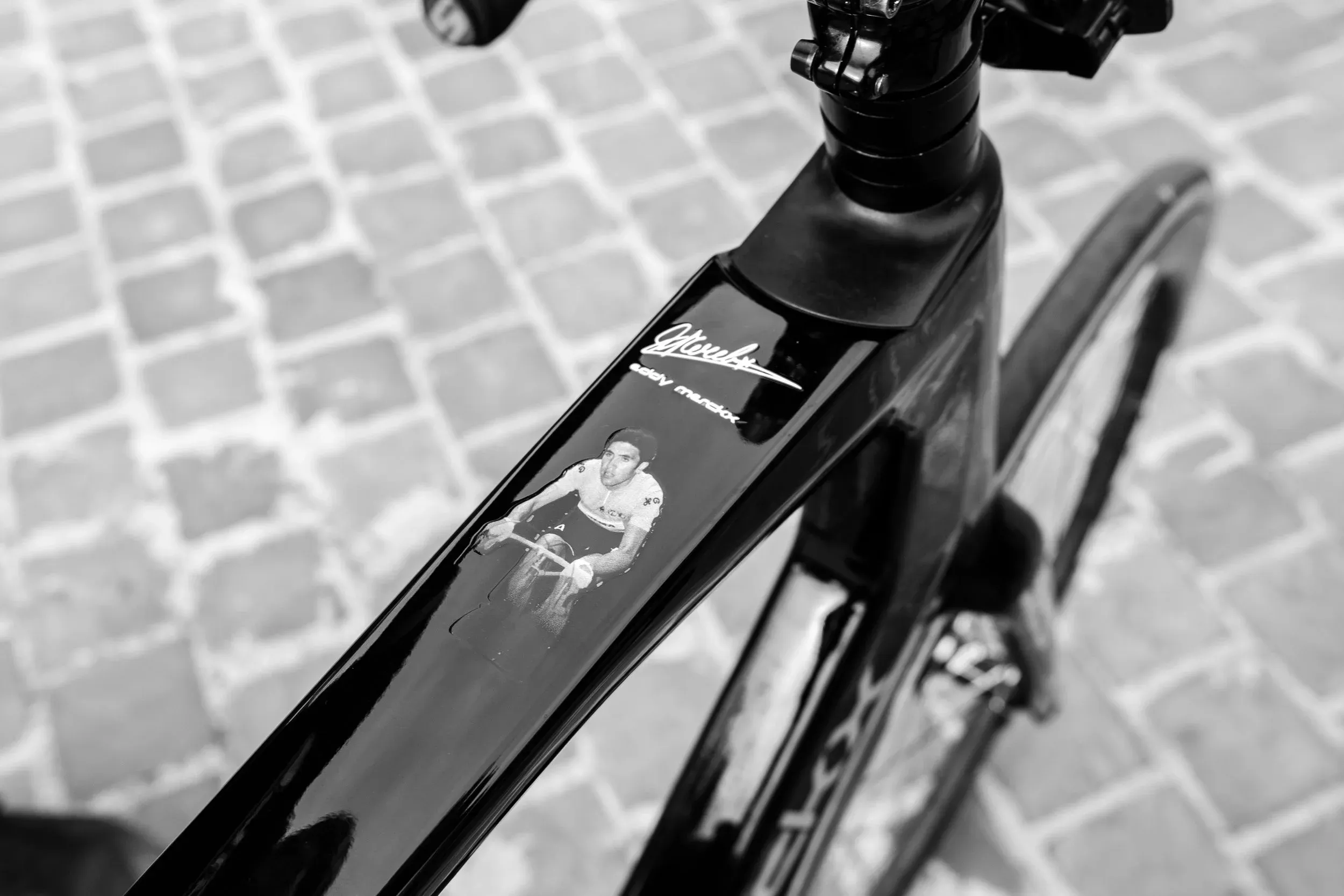
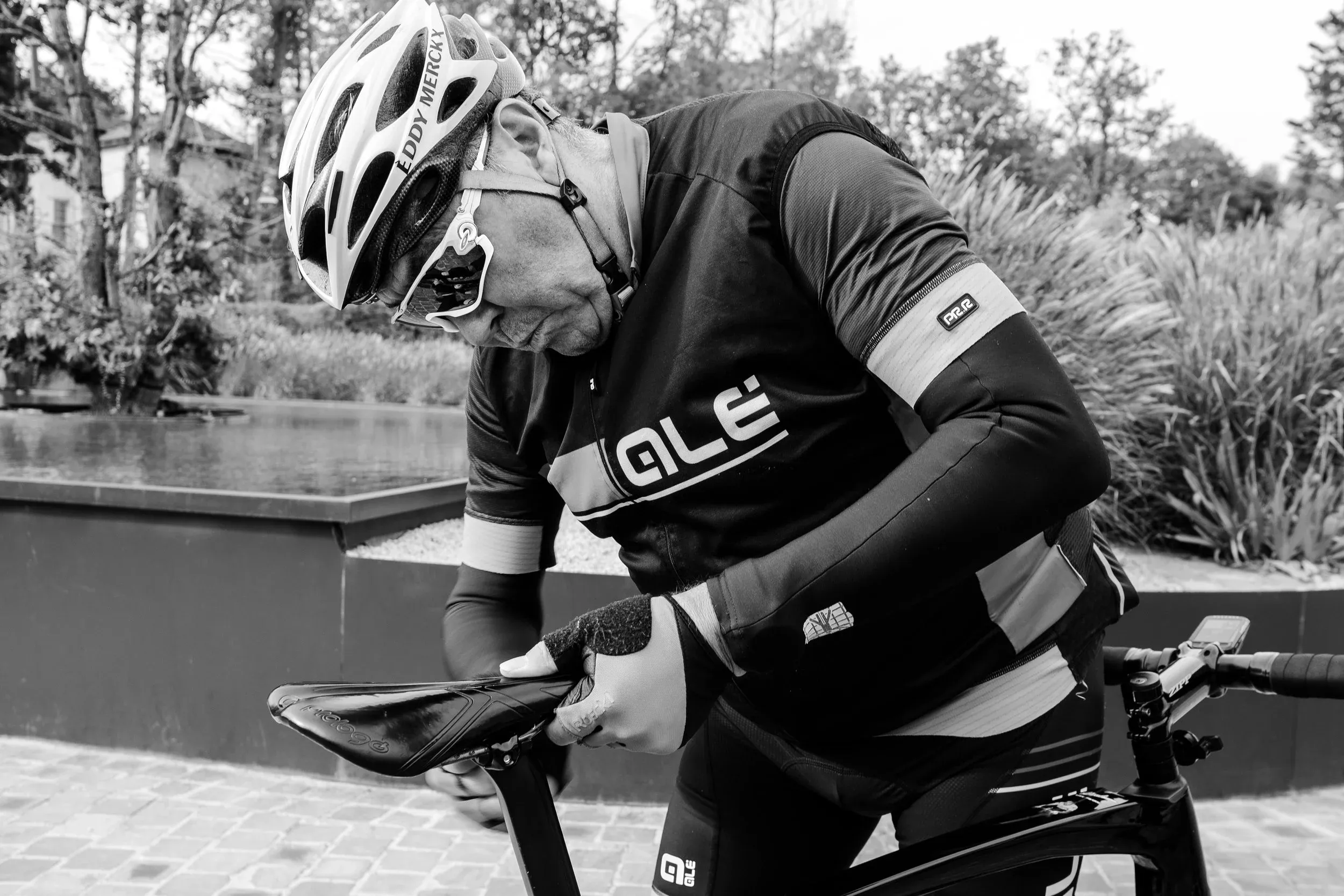
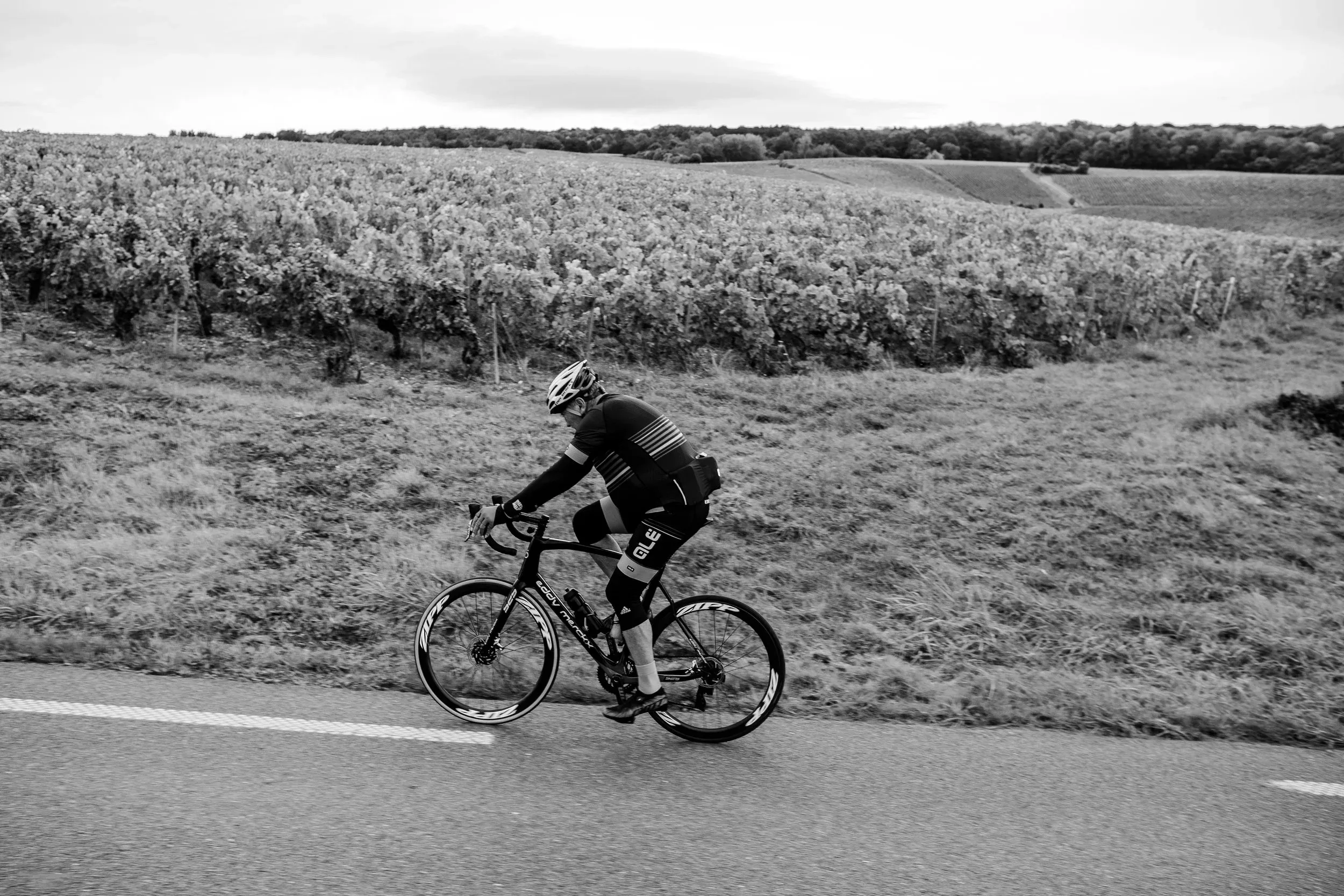
My one saving grace from the day: Tom Fleetwood documented everything beautifully. He then called me on my drive home to let me know I had left my cycling shoes behind.
Classic.
Send a comment
Got a question, correction, or thought? Send it here — it goes straight to my inbox.
No account required. (If you don’t hear back, check your spam folder for my reply.)